
Award Painting insights
How to prepare your home before the painters arrive
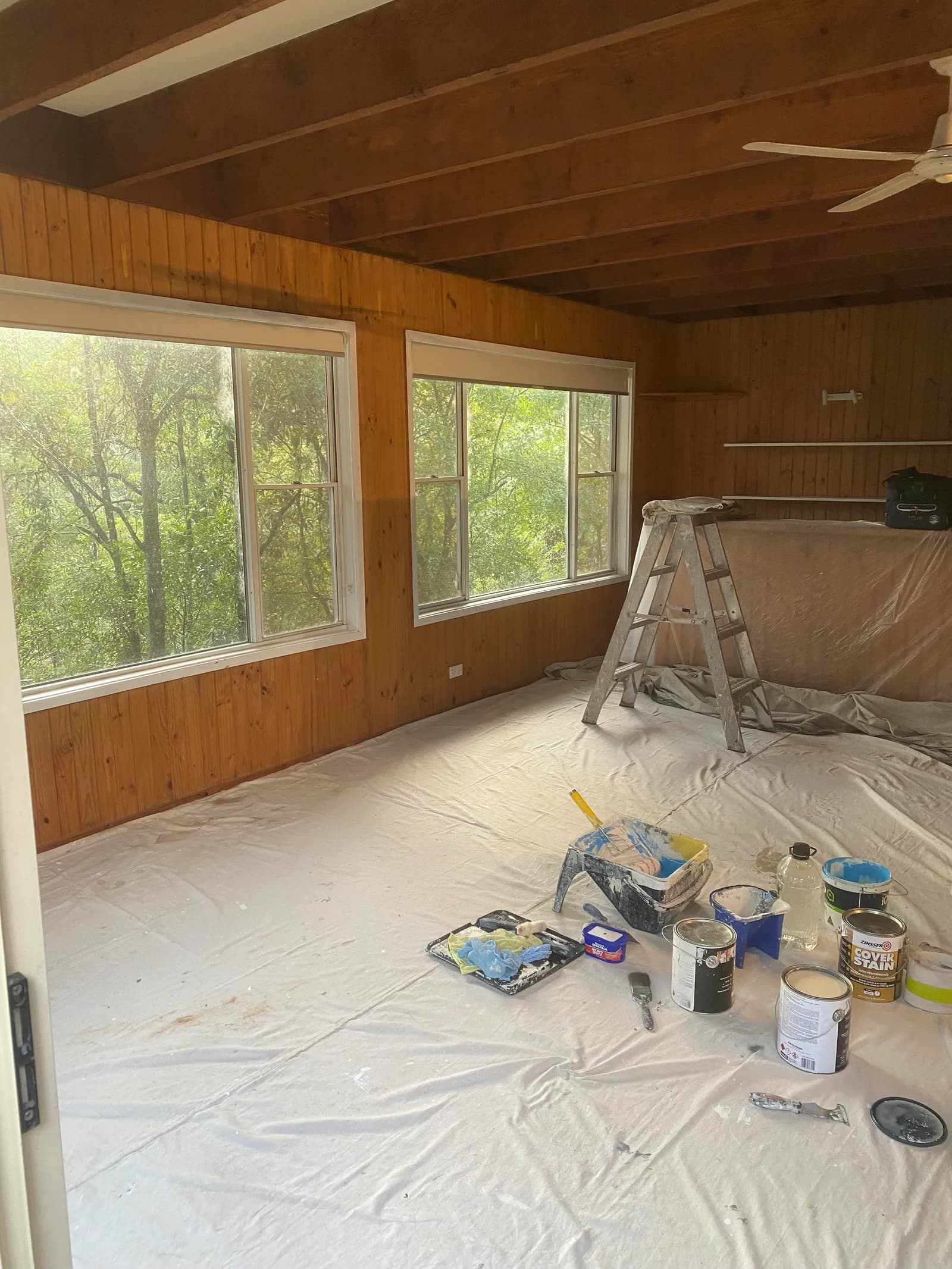
Preparing a home for painters splits into 2 clear lists: you clear the small, personal and breakable things, and the painters protect everything that stays. Get both lists right and the job starts on schedule, the finish is cleaner and nothing in the house gets damaged.
Key takeaways
- You handle small items, valuables, wall hangings, pets and parking.
- The painters handle drop sheets, furniture wrapping and masking of fixtures.
- Every floor sheeted and every cabinet wrapped is the standard to demand.
- Judge a crew by what it covers before a tin is opened.
What you handle before painting day
Your side of the checklist is the small, the personal and the breakable. Painters move and protect furniture as part of the job; boxing up heirloom china is not their trade.
- Pack small items, ornaments, electronics and anything breakable into boxes, and move the boxes to a room outside the painting scope.
- Move valuables, documents and jewellery out of the work areas entirely.
- Take everything off the walls: art, mirrors, clocks and photos. Decide which hooks stay and which get filled, and tell the painters before sanding starts.
- Arrange for pets to be away from the work areas: an open front door and wet skirting boards do not mix with a curious dog.
- Free up parking close to the entry, because ladders, sheets and paint move between vehicle and house all day.
The other early decision is colour, and it belongs on your list. Changing your mind after the first coat means repainting the wall, so lock the scheme before painting day. A professional colour consultation is valued at $275 and comes free with every quote we give, which settles the decision before a single sheet is laid.
What the painters handle
Everything that stays in the house is the painters' responsibility to protect. A proper crew sheets every floor in the work area edge to edge, groups the remaining furniture in the centre of each room and wraps it, masks power points, light fittings, hinges, handles and glass, and covers or removes switch plates before any sanding or cutting in begins. You should never be asked to sheet your own floors or wrap your own lounge.
Protection is part of the service on professional interior painting, and the time it takes is priced into every honest quote: it is a cost driver we cover in what changes a painting quote. A quote that looks cheap because it skips protection is a quote that spends your furniture instead.
The standard in the photos
The banner image above is not a stock photo. It is a real Award Painting job mid-preparation: cabinetry wrapped in plastic, floors sheeted, a timber-panelled room fully protected before a tin was opened. The preparation photos across this site come from the same real job: every floor sheeted, every cabinet wrapped.
We publish them for a reason. Preparation is the part of painting that disappears from the finished result, which makes it exactly the corner a careless outfit cuts first. Treat these photos as the visible standard and demand it from any painter you hire, including us. If the protection you see on day 1 does not look like this, the parts you cannot see are getting even less care.
How to tell a careful crew from a careless one
Watch the first hour, before any paint appears. A careful crew protects first and paints second: sheets down, furniture wrapped, edges masked, dust control sorted, and only then do the tins open. A careless crew opens the tins first and improvises protection as problems appear. The first hour predicts the whole job.
What to look for before a tin is opened:
- Drop sheets laid wall to wall in every work area, not a single sheet dragged from room to room.
- Furniture wrapped and grouped, not pushed bare against a wall to collect dust and splatter.
- Crisp masking tape around fittings, glass and hardware, rather than paint wiped off them afterwards.
- Tins, trays and tools resting on protected surfaces, never on bare boards or carpet.
- Rooms left tidy and walkable at the end of each day.
The day before and the morning of
The day before, do the final sweep: last small items boxed, walls bare, door mats and fridge magnets out of the way, and a clear path from the entry to every room being painted. Strip the beds and cover anything stored in open wardrobes where ceilings are in scope, because ceiling work sends fine dust everywhere gravity takes it.
The morning itself takes 10 minutes: pets sorted, car moved, then a walkthrough with the painters to confirm the scope, the colour for each room and which hooks stay. That walkthrough catches misunderstandings while they are still free to fix.
Why preparation decides the finish
Paint magnifies whatever sits underneath it, which is why surface preparation, not application, decides how a finish looks and how long it lasts. Manufacturers say the same thing: Dulux publishes preparation requirements for its products because coatings only perform on surfaces prepared to specification.
The habit runs deeper than walls. Crews that sheet every floor and wrap every cabinet are the same crews that sand, fill, seal and prime properly, because protection and preparation are the same discipline applied to different surfaces. Choose your painter by that discipline and the finish takes care of itself.
You might also find this useful
Want it done properly?
Free colour consultation valued at $275 with every quote. No obligation.