The craft
The details you never see, done properly.
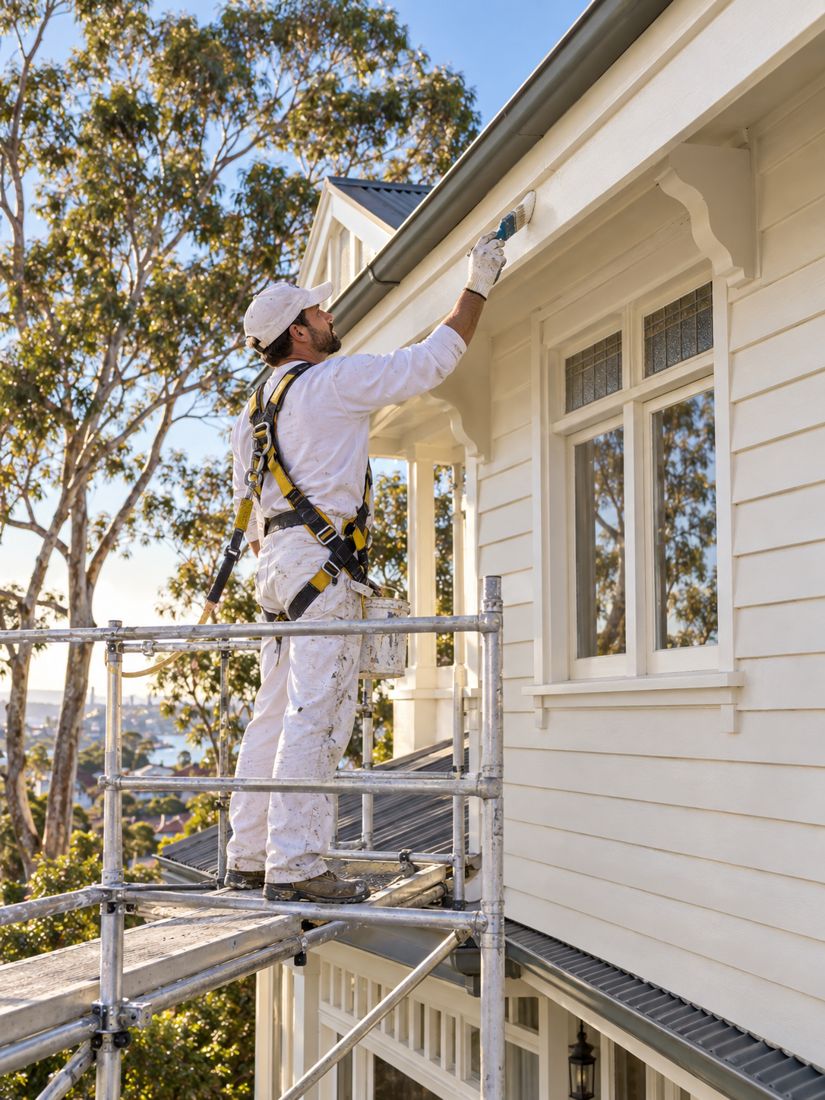
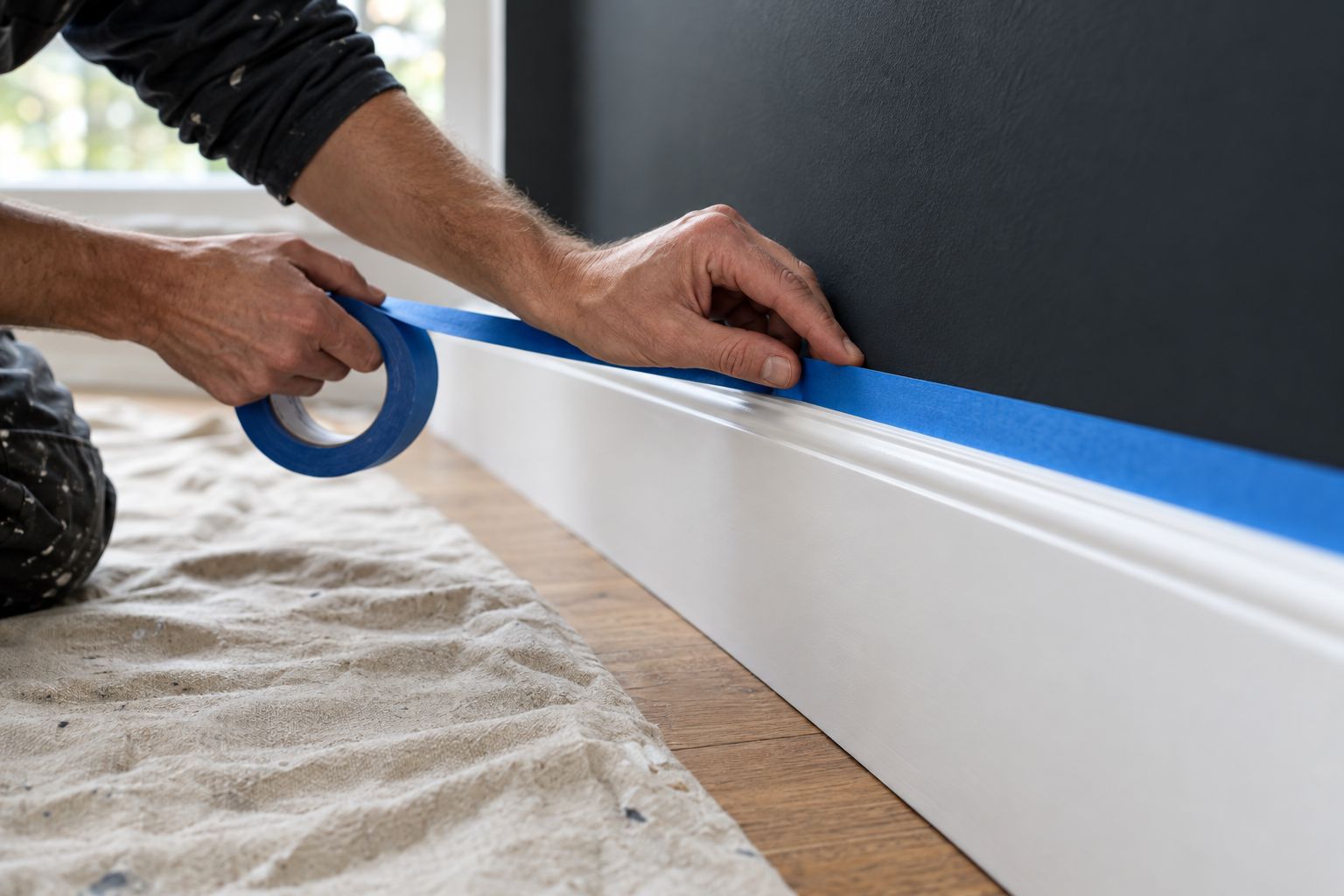
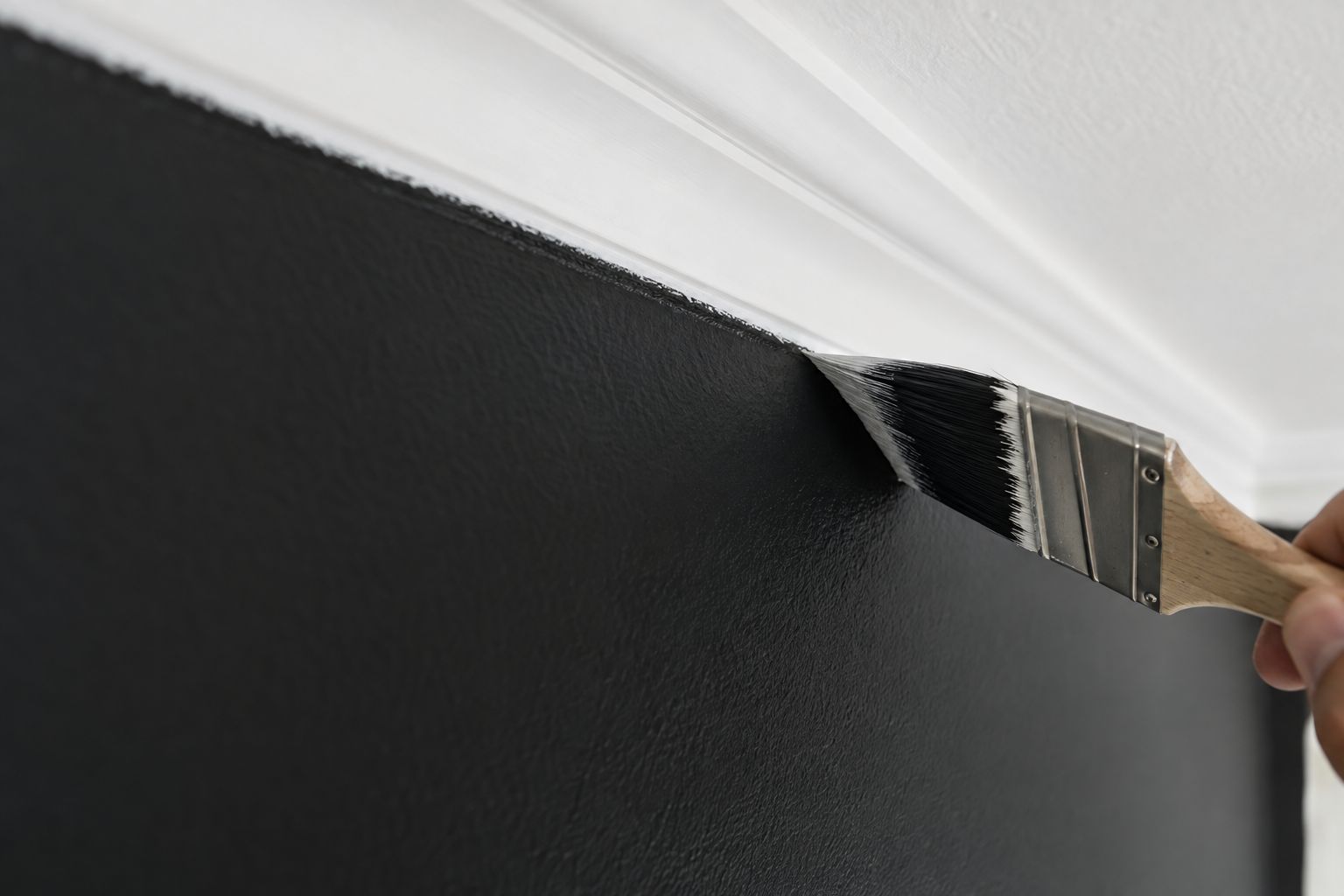
Sharp tape lines, clean brushes, the right product for the right surface. Small habits, repeated on every job, are what a premium finish is made of.
An anti-graffiti coating turns a repeatedly tagged wall from a repainting problem into a cleaning job.
Award Painting Pty Ltd holds Painting and Decorating Contractors Licence 222321C, carries $20M public liability insurance and has over 20 years of workmanship behind every coating we apply. We assess how the wall is being tagged before recommending a system, because the right choice depends on how frequently the graffiti comes back.
Sacrificial coatings are wax-based. The clear wax layer bonds to the wall and absorbs whatever lands on it. When the wall is tagged, the tag and the wax come off together under a hot-water pressure wash, and a fresh wax layer goes back onto the cleaned area. The product is inexpensive per square metre; the ongoing cost sits in the reapplication after every clean.
Permanent systems use 2-pack polyurethane or siloxane chemistry. They cure into a hard, non-porous film that graffiti cannot penetrate, so the same coating is cleaned again and again without being replaced. The upfront cost is higher and the finish carries more sheen than bare masonry, but there is nothing to reapply.
The trade-off is straightforward: a wall tagged a few times a year suits a sacrificial system, and a wall hit every other week justifies a permanent one. We recommend the system that matches the tagging pattern, not the dearest one.
Graffiti concentrates on predictable surfaces: walls visible enough to attract a tag and awkward enough that removal keeps getting deferred. Around Sydney’s upper North Shore and the Hornsby district, that means laneways, service lanes, station-side walls and the shared boundary walls of strata schemes.
Deferral is the expensive part. A tag left in place signals that the wall is unmanaged, and unmanaged walls collect more tags. Properties that remove graffiti fast get tagged less, and a coated wall is the fastest wall to clean.
For a wall that has been tagged once, a coating is optional. For a wall on its 4th or 5th patch-up, the pattern is established and the coating is the cheaper path from that point on.
On an uncoated painted wall, spray paint keys into the coating beneath it. Solvent strong enough to dissolve the tag also attacks the paint, so removal leaves a ghost, and the practical fix becomes repainting the patch. Patch repaints rarely match: the original paint has weathered, the new patch has not, and the wall ends up wearing a chequerboard of touch-ups that looks little better than the graffiti did.
On a coated wall, the tag never reaches the paint. Sacrificial wax comes off with hot-water pressure washing, taking the tag with it, and the cleaned area is rewaxed. Permanent systems are wiped down with a compatible graffiti remover and rinsed; the film underneath is unaffected and needs nothing further. Either way, the original colour is untouched and no repainting happens.
A wall that gets tagged monthly and repainted quarterly consumes 4 rounds of labour, paint and access equipment every year, and every round buys the same temporary result. The spend repeats indefinitely because nothing about the wall has changed: it is still an unprotected surface in a tagged location.
A coating is paid for 1 time. After that, each incident is a clean rather than a repaint: less labour, no paint, no colour matching and no setting up access to recoat a whole elevation for the sake of 1 tag. For strata committees and commercial owners, the budgeting changes shape too, from unplanned repaint callouts to a small, predictable cleaning line.
The arithmetic favours coating on any wall being repainted more than once a year. We quote the coating and state the expected cleaning method up front, so the comparison against your current repaint spend is made on real figures.
The craft
Sharp tape lines, clean brushes, the right product for the right surface. Small habits, repeated on every job, are what a premium finish is made of.
Related services
Most jobs touch more than one trade. These pages cover the ones most often quoted together.
Offices, shopfronts, warehouses and common areas painted around your trading hours, with compliance paperwork sorted before we start.
Read moreCommon areas, external facades and full building repaints for owners corporations and strata managers, quoted as a fixed, committee-ready scope.
Read moreRender, concrete and driveways pressure-washed properly, including the washdown every exterior repaint needs first.
Read moreWhere we deliver this service
All 48 suburbs within 15 km of Hornsby are listed on our service areas page.
Questions
Anything else? Call us or send a message and we will give you a straight answer.
A sacrificial coating is a clear wax layer that comes off together with the graffiti during cleaning and is then reapplied to the cleaned area. A permanent coating cures into a hard polyurethane or siloxane film that is cleaned repeatedly without replacement. Sacrificial systems cost less up front and more per clean; permanent systems reverse that. The tagging frequency on your wall decides which one is worth it.
Clear coatings alter sheen rather than colour. A permanent system adds a degree of gloss to bare masonry, while a sacrificial wax reads close to invisible at street distance. We confirm the finish level with you on a test patch before coating the full wall, so the appearance is agreed before the system goes on.
On a sacrificial system, the tag and the wax layer are removed together with hot-water pressure washing, and fresh wax is applied to the cleaned area. On a permanent system, the tag is dissolved with a compatible graffiti remover and rinsed off, leaving the cured film intact. Neither method involves repainting, which is the point of the coating.
Yes, provided the paintwork underneath is sound. The coating is only as good as the surface it bonds to, so flaking or chalking paint is repaired or repainted first, existing tags are removed or blocked out, and the wall is cleaned before the protective system goes on. We inspect the wall and include any required preparation in the quote.
Walls that are tagged repeatedly: laneway and rear shopfront walls, strata perimeters, school buildings, substations and retaining walls beside footpaths. A wall tagged once does not need a coating; a wall on its 4th repaint does. The break-even is simple: if the same wall is being repainted more than once a year, coating it costs less.
Next step
Tell us about the job and we respond the same business day. Every quote starts with a walkthrough and includes a free colour consultation valued at $275. $0 call-out, no obligation.