The craft
The details you never see, done properly.
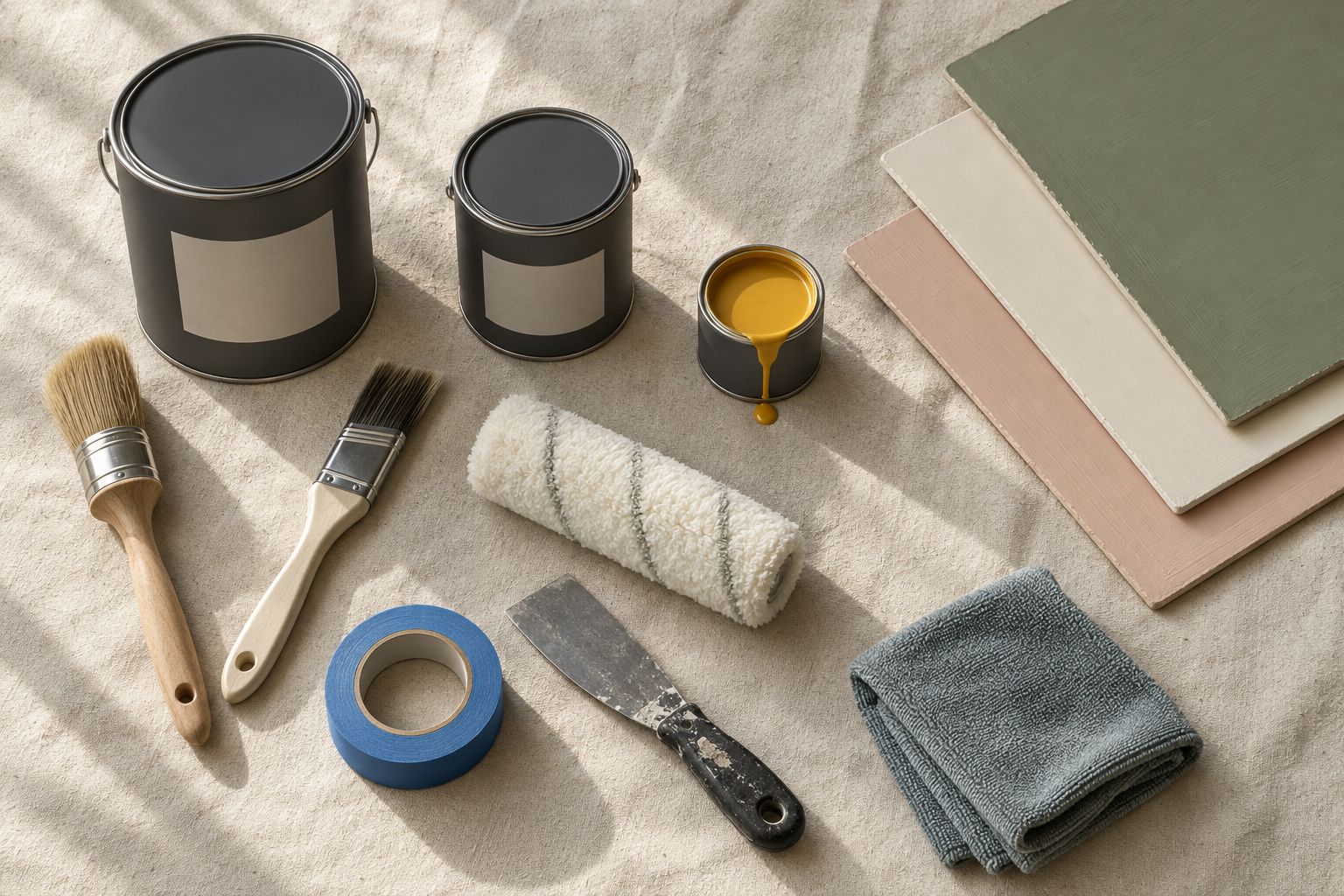
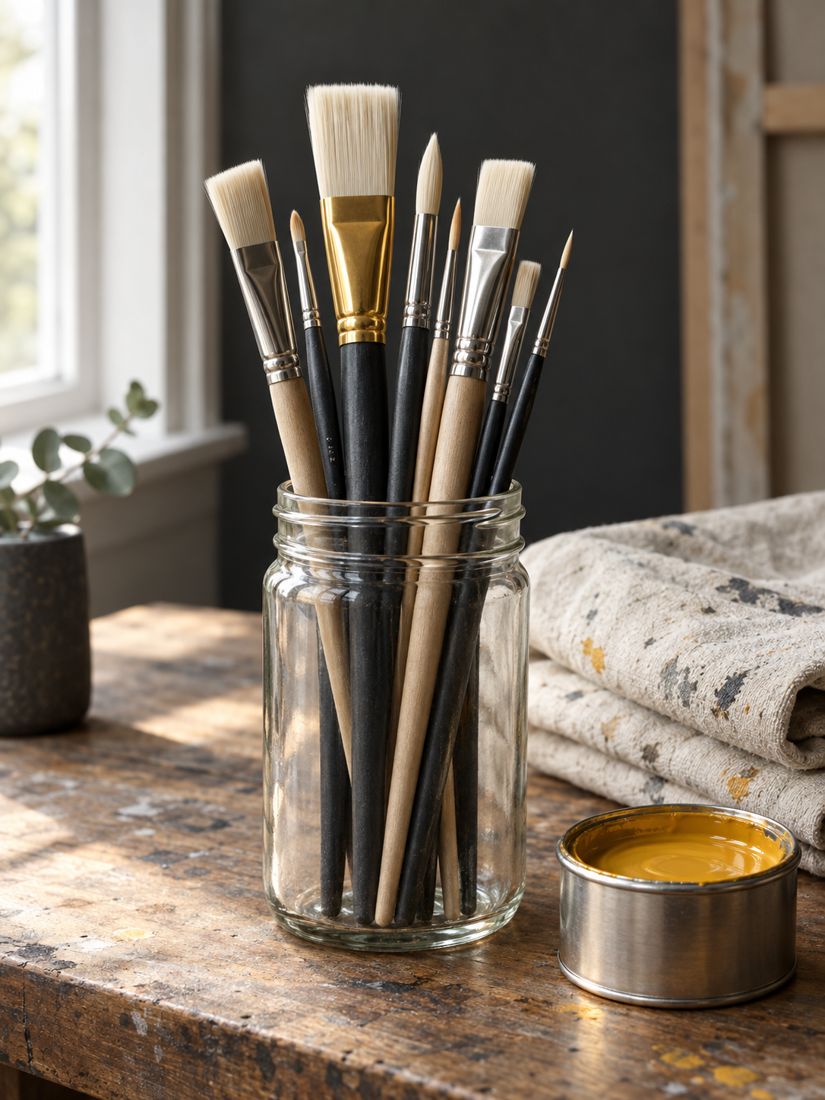
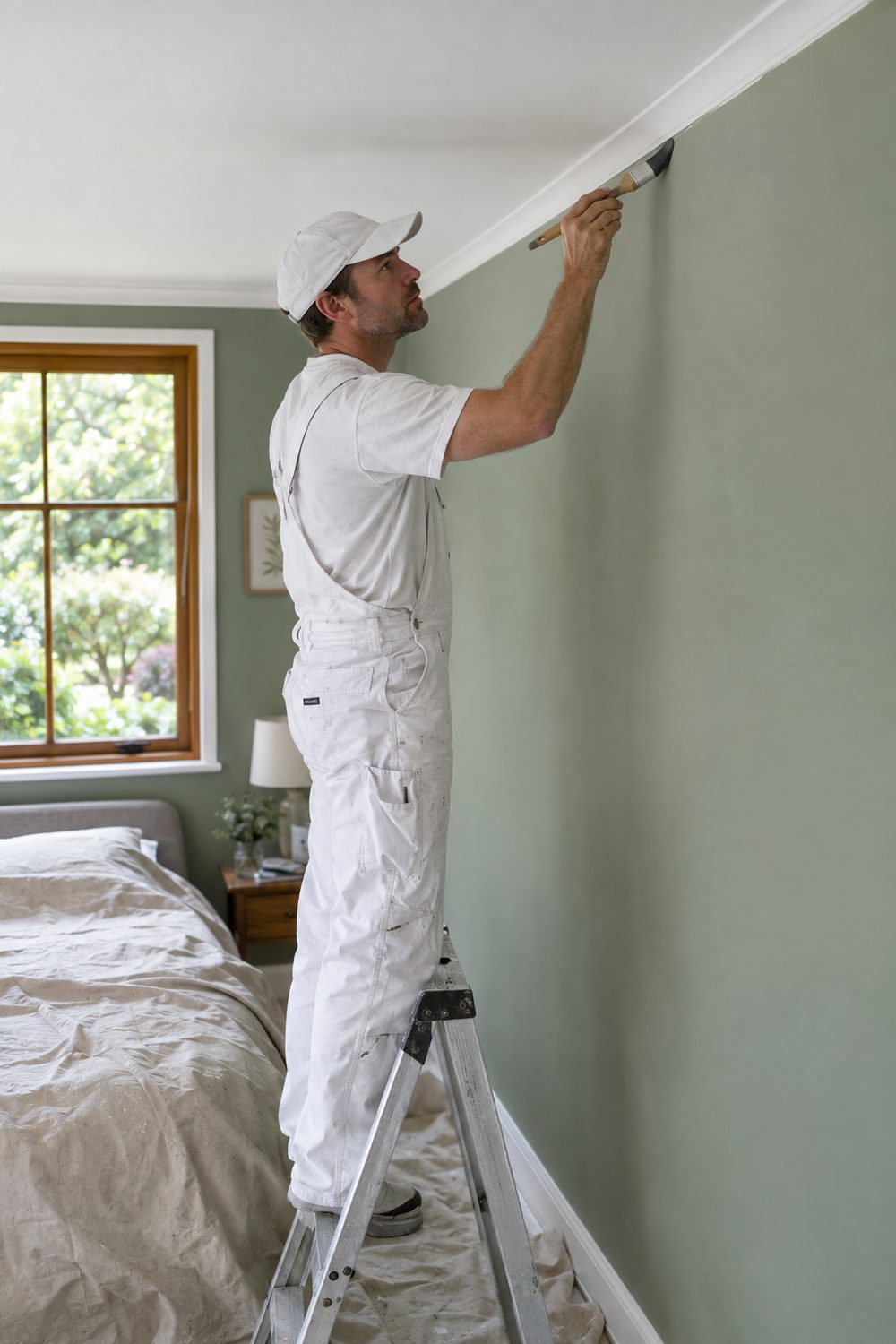
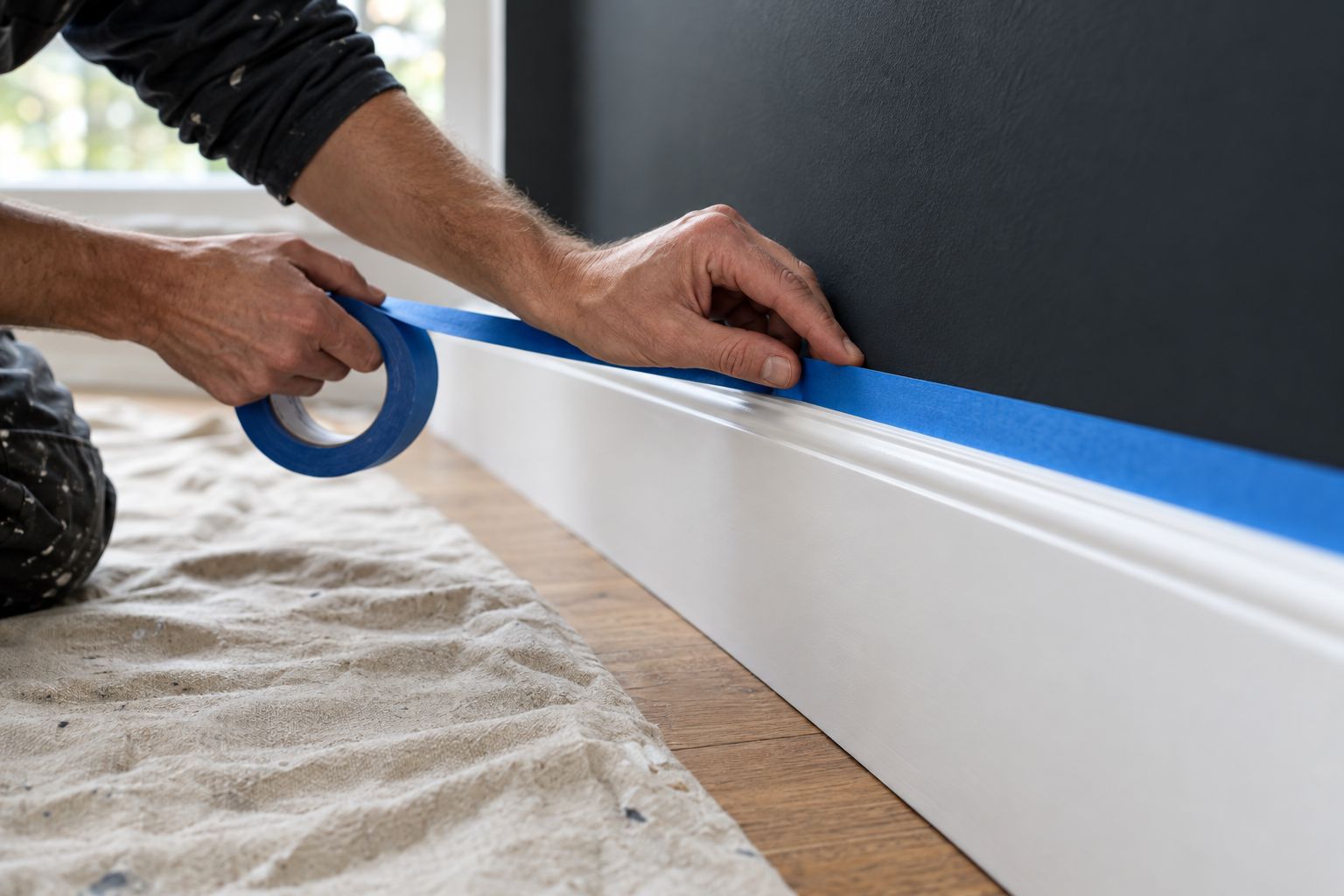
Sharp tape lines, clean brushes, the right product for the right surface. Small habits, repeated on every job, are what a premium finish is made of.
An epoxy garage floor in Sydney succeeds or fails before any resin is opened.
Award Painting applies epoxy flooring across Sydney under Painting and Decorating Contractors Licence 222321C, carrying $20M public liability insurance. The finished floor seals concrete dust for good, shrugs off oil, fuel and hot tyres, and cleans with a mop. It is the difference between a garage you park in and a space you actually use.
When an epoxy floor peels, the resin gets blamed and the preparation is almost always at fault. Concrete comes with laitance, curing compounds, old sealers and contamination that stop epoxy keying into the slab. Acid etching, the shortcut behind most cheap quotes, does not remove them; it just roughens the surface around them. Diamond grinding does: it strips the slab back to clean, open concrete with a mechanical profile the primer locks into.
Moisture is the other silent killer. Sydney garage slabs, particularly older ones poured without a vapour barrier, wick ground moisture upward, and that pressure lifts a coating off from underneath months after handover. We test the slab before quoting the system, and where the readings demand it, the build starts with a moisture-tolerant barrier primer. Skipping that test is how bargain floors become peeling floors.
A flake floor is built by broadcasting vinyl flakes into the wet base coat, then sealing them under a clear topcoat. The result reads like granite, hides dust, tyre marks and the small sins of a working garage, and carries a light slip-resistant texture from the flake itself. It is the finish most Sydney garages choose, and the one that stays looking clean longest between mops.
A solid colour floor is a single uninterrupted tone with a showroom feel. It reflects more light, makes a dropped nut easy to find, and suits garages kept closer to display than workshop. It shows dust and marks sooner than flake, which is a fair trade for the look. Flake blends and solid colours are chosen at the free colour consultation, valued at $275 and included with every quote.
Day 1 is grinding and repair: the slab is diamond-ground, cracks and spalls are filled with epoxy mortar, and the floor is vacuumed back to bare, open concrete. The primer goes down the same day, while the surface is at its cleanest.
The base coat follows, with flake broadcast into it wet on flake systems. Once cured, the excess flake is scraped and sanded flat, and the clear topcoat locks everything in. A solid colour system runs the same sequence without the broadcast.
Cure times are non-negotiable chemistry. The floor takes foot traffic 24 hours after the topcoat, garage contents after 72 hours, and vehicles after 7 days at full cure. Parking on epoxy early is how tyre-shaped imprints end up in a brand-new floor.
A cured epoxy system is built for exactly what a garage throws at it. Oil, fuel, brake fluid and coolant sit on the surface until they are wiped up, instead of soaking into the slab. A quality topcoat resists hot tyre pickup, the failure that delaminates cheap coatings when a car comes home off the motorway. Trolley jacks roll across it, and general workshop wear polishes the surface rather than tearing it.
Its limits are worth knowing before you buy. Point loads concentrate: jack stands and heavy racking legs need load-spreading pads. Welding spatter burns any resin floor. And epoxy is a coating, not a structural repair: a slab crack that is still moving will eventually telegraph a hairline through any coating over it. We fill and fair cracks, and we say plainly which ones are structural.
The home garage is the core of this work: a sealed, bright, mop-clean floor that turns the most neglected room of the house into usable space. The same systems carry into home workshops, where the topcoat handles dragged benches, dropped tools and swarf.
Storage areas and internal sheds benefit for a quieter reason: concrete dust. Bare slabs shed fine dust continuously, and it settles into everything stored above them. An epoxy seal stops it at the source, which is why storerooms and under-house spaces get coated as much for cleanliness as for looks. For larger commercial workshops and back-of-house floors, the same preparation discipline scales up through our commercial painting service.
The craft
Sharp tape lines, clean brushes, the right product for the right surface. Small habits, repeated on every job, are what a premium finish is made of.
Related services
Most jobs touch more than one trade. These pages cover the ones most often quoted together.
Render, concrete and driveways pressure-washed properly, including the washdown every exterior repaint needs first.
Read moreOffices, shopfronts, warehouses and common areas painted around your trading hours, with compliance paperwork sorted before we start.
Read moreFactory-smooth finishes on doors, ceilings and large areas, with the masking discipline spray work demands.
Read moreWhere we deliver this service
All 48 suburbs within 15 km of Hornsby are listed on our service areas page.
Questions
Anything else? Call us or send a message and we will give you a straight answer.
A properly prepared residential epoxy floor lasts 10 to 20 years, and preparation is the variable that decides which end of that range you get. Floors fail early through poor adhesion or trapped moisture, not through the resin wearing out. Diamond grinding, moisture testing and a quality topcoat put the floor at the long end.
Foot traffic after 24 hours, shelving and garage contents after 72 hours, and vehicles after 7 days, when the resin reaches full chemical cure. The surface feels hard well before then, which is exactly why the 7-day rule matters: a tyre parked on partially cured epoxy leaves a permanent imprint.
Epoxy covers repaired cracks; it does not repair the slab. We grind out and fill cracks and spalls with epoxy mortar before coating, and hairline shrinkage cracks disappear under the system, a flake finish especially. A structural crack that is still moving will re-open through any coating, and we identify those at inspection instead of coating over them.
Smooth solid-colour epoxy is slippery when wet, the same as any sealed hard floor. A flake system carries a light texture that improves grip, and an anti-slip additive in the topcoat lifts it further for wet-prone floors. We match the texture to the use: fine for a display garage, more aggressive for a workshop that sees water or oil.
The difference is almost entirely in the preparation and the number of coats. A cheap quote is acid etching and 1 or 2 coats of thin resin; it looks similar on handover and peels within a couple of years. A proper system is diamond grinding, moisture testing, crack repair, primer, base coat and topcoat. You are paying for the parts you cannot see.
Yes, because the grinder removes the old paint entirely before the new system goes down. Epoxy applied over existing paint only ever bonds as well as that paint holds to the slab, which is why coating over it is another cheap-job shortcut we refuse. The old finish comes off, the concrete gets profiled, and the epoxy bonds to the slab itself.
Next step
Tell us about the job and we respond the same business day. Every quote starts with a walkthrough and includes a free colour consultation valued at $275. $0 call-out, no obligation.