The craft
The details you never see, done properly.
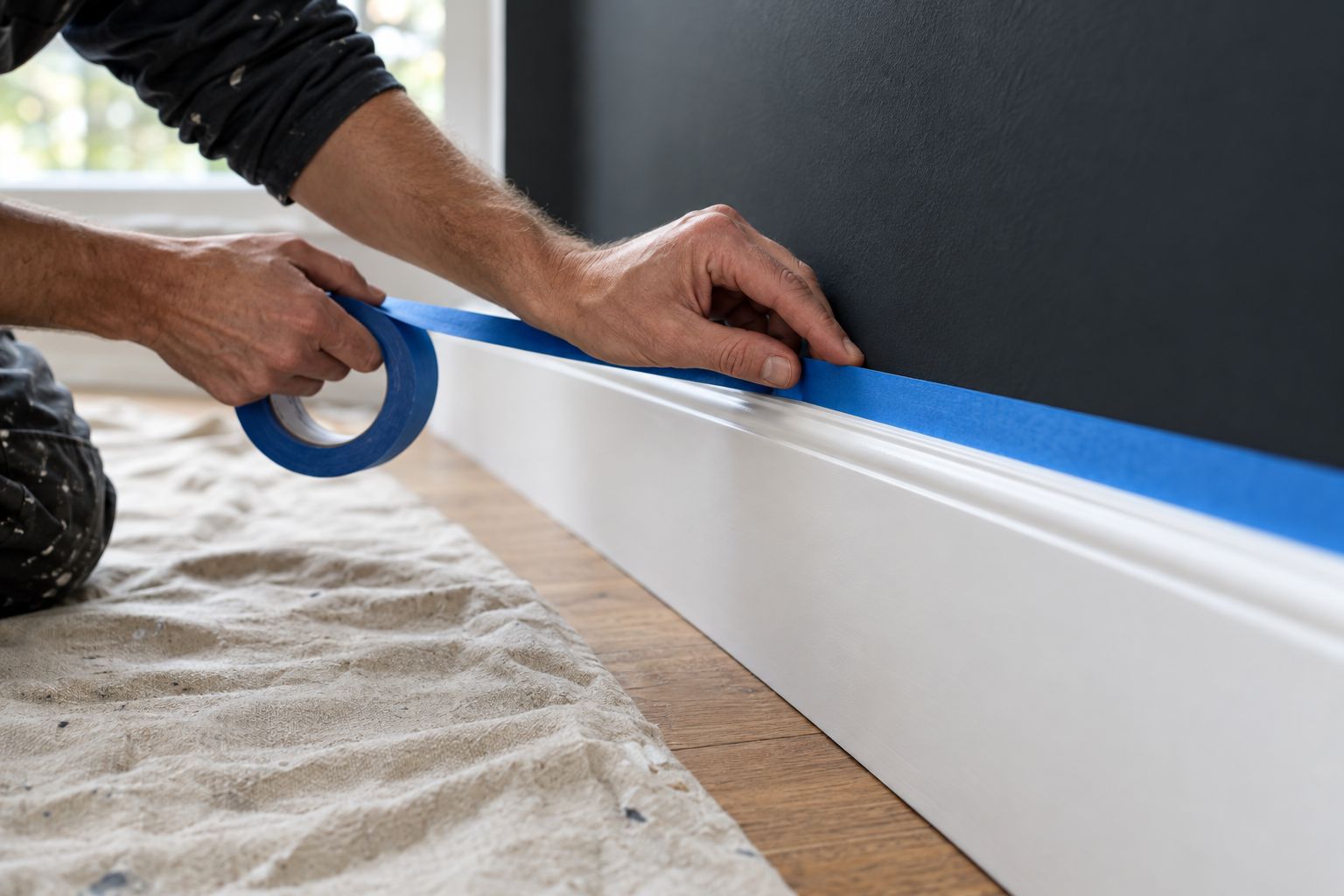
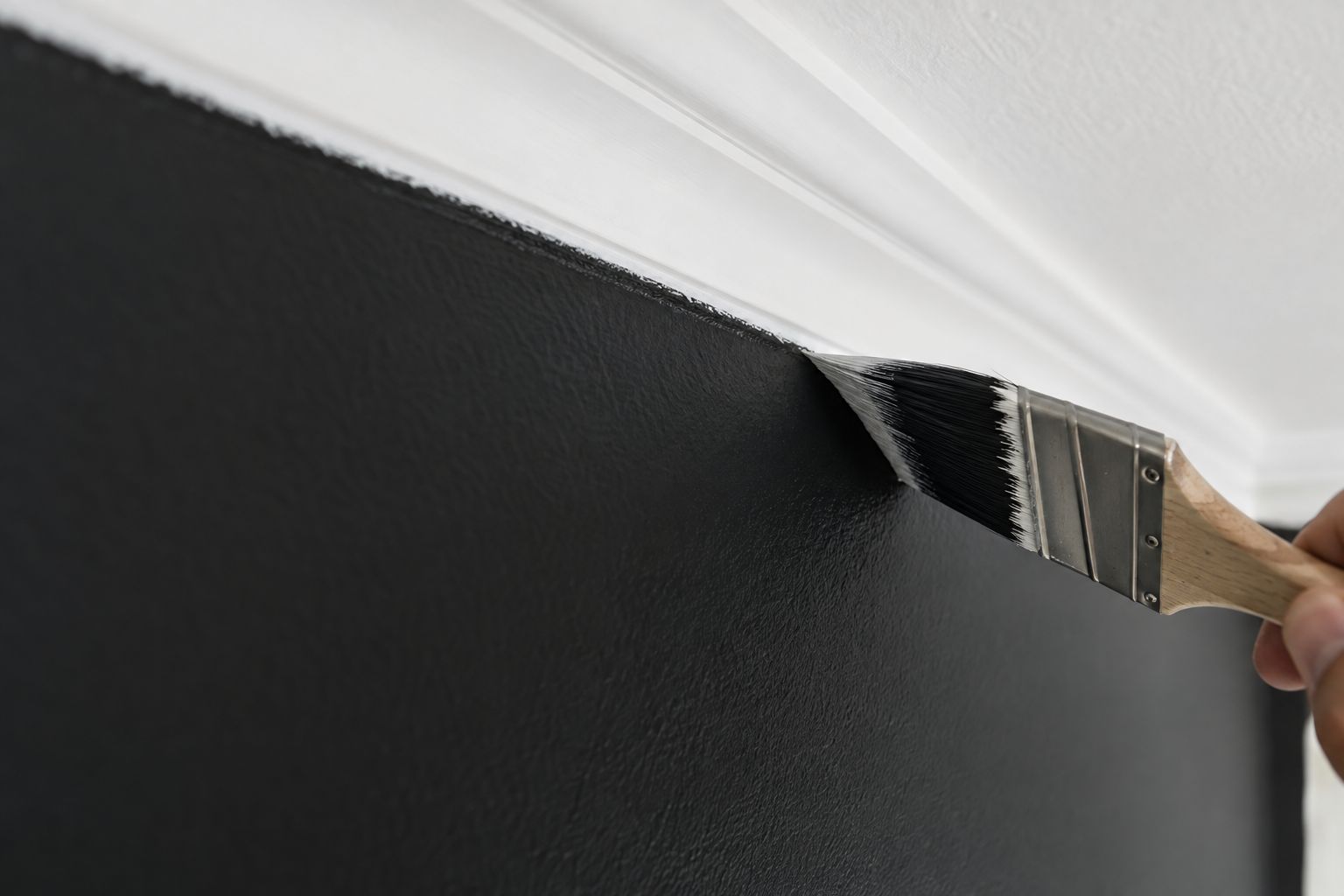
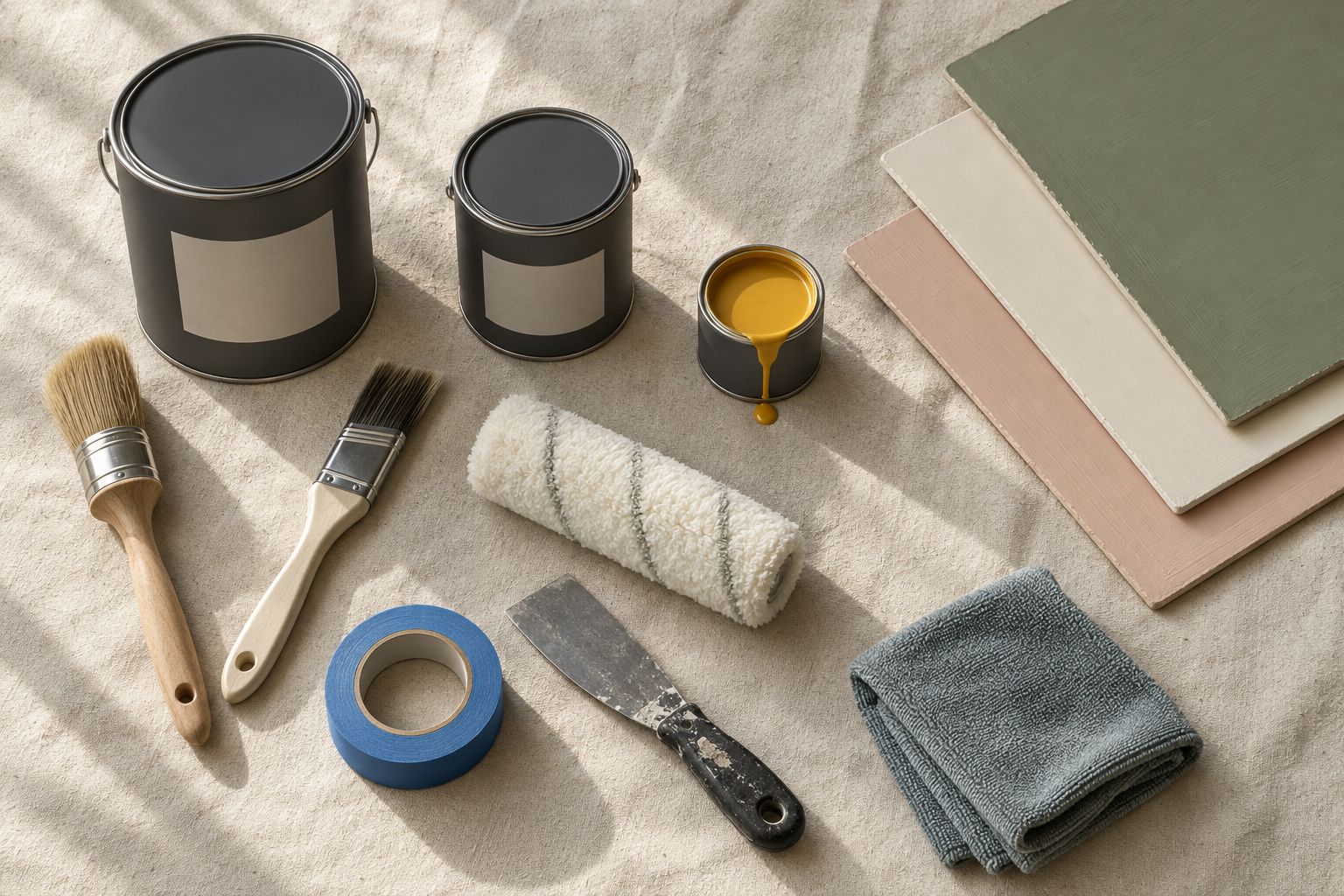
Sharp tape lines, clean brushes, the right product for the right surface. Small habits, repeated on every job, are what a premium finish is made of.
Deck staining in Sydney is a preparation trade first and a finishing trade second.
Award Painting has finished timber since 2007, and decks punish shortcuts harder than any other surface we coat. The coating you choose, the preparation under it and the timing of each recoat decide whether the boards stay rich and even or turn grey and flaky by next summer. We get all 3 right, and every quote includes a free colour consultation valued at $275.
A penetrating stain or decking oil soaks into the timber and shows the grain. It wears by fading rather than peeling, so each recoat is a wash and a fresh coat instead of a strip-back. It is the right finish for hardwood in good condition and for any owner who wants the deck to still read as timber.
A solid stain carries opaque colour with the flexibility of a stain. It hides weathered, patchy or mismatched boards, holds up under foot traffic and keeps a hint of timber texture. It is the rescue finish for a deck past the point a clear coat will flatter.
Deck painting films over the surface entirely: full colour, full cover, and the hardest finish to maintain, because a film on horizontal boards in full sun eventually cracks and lifts, and stripping a failed painted deck is the most expensive job in this trade. We paint handrails, balustrades and privacy screens freely, and paint deck boards only when their condition rules out everything else.
Every deck coating fails from underneath, which is why preparation gets most of the labour on a deck job. We wash the boards first to kill mould, lift grime and flush surface tannins, and we strip any failed coating rather than trap it under a new one. Popped nails are punched down and rough edges eased before any finish goes near the timber.
Sanding then opens the grain so the finish penetrates instead of sitting on the surface. New hardwood arrives with mill glaze, a burnished layer left by machining that stops absorption dead; it gets sanded off, never coated over. The last check is moisture: coating damp boards seals water into the timber and lifts the new finish within months, so dry timber is a condition of starting, not a preference.
UV does more damage to a Sydney deck than feet, furniture or rain. It breaks down the surface fibres of the timber, turns unprotected boards grey, and chews through clear and lightly pigmented finishes fastest of all, because pigment is what blocks the light.
Orientation sets the schedule. North-facing and west-facing decks cop sun for most of the day and wear their coating in a fraction of the time a shaded southern deck does. The same oil on the same timber lasts years longer on the shady side of the house.
The practical answer is a finish with enough pigment for the exposure, recoated before it fails rather than after. A quick maintenance coat on a sound surface costs a fraction of a strip and restart.
Dense Australian hardwoods such as spotted gum, blackbutt and merbau are oily and rich in tannin. New boards need a weathering period and a tannin wash before coating, or the extractives bleed through and stain; merbau is the worst offender and will streak everything below it. Because dense timber absorbs less, penetrating oils suit hardwood best, applied in thin coats the boards accept.
Treated pine is the opposite: soft, absorbent and stable to coat, but it moves. Boards cup, check and split as they dry, so new treated pine needs weeks to dry out before it will hold any finish. Its absorbency makes it the ideal base for solid stains, which flex with the timber and mask the small cracks pine develops.
A deck tells you when it needs attention. Water stops beading on the surface and soaks straight in. Colour fades in the traffic lines and the patches in full sun. Boards start looking dry and slightly furry as the surface fibres lift.
Recoat at that point and the job is a wash and 1 or 2 fresh coats over a sound base. Wait another year or 2 and the finish fails completely, the timber greys, and the only way back is sanding to bare boards, which multiplies the cost of the same deck. Timing is the cheapest decision in deck maintenance.
The craft
Sharp tape lines, clean brushes, the right product for the right surface. Small habits, repeated on every job, are what a premium finish is made of.
Related services
Most jobs touch more than one trade. These pages cover the ones most often quoted together.
Render, weatherboard, cement sheet and heritage timber, prepared and coated for Sydney weather. Fences and outbuildings included.
Read moreRender, concrete and driveways pressure-washed properly, including the washdown every exterior repaint needs first.
Read moreScheduled touch-ups and inspections that keep buildings presentable and push the next full repaint years further out.
Read moreWhere we deliver this service
All 48 suburbs within 15 km of Hornsby are listed on our service areas page.
Questions
Anything else? Call us or send a message and we will give you a straight answer.
Oil or a penetrating stain if the timber is in good condition and you want to see grain. A solid stain if the boards are weathered, patched or mismatched and need covering while staying walkable. Paint only for handrails and balustrades, or for boards too far gone for anything else, because a failed paint film on decking is expensive to strip. We confirm the right system at the quote, after inspecting the timber.
Exposure decides it. A deck in full sun needs decking oil refreshed every 12 to 18 months, while solid stains stretch to 3 to 5 years. Shaded and covered decks last significantly longer on the same products. The reliable test is water: when it stops beading and starts soaking in, the coating is due.
Yes. Grey timber is UV-damaged surface fibre, not rot, and it comes back. We wash the deck, treat any mould, sand back to sound timber and apply a finish suited to the species and the exposure. Boards that are split, cupped or decayed past saving are the only ones a coating cannot rescue, and we point those out at inspection rather than coat over them.
New dense hardwood needs 4 to 6 weeks of weathering so the surface oils and tannins release and the boards accept a finish; a tannin wash then clears the residue. New treated pine needs to dry until water soaks in rather than beading on the treatment. Coating new timber too early is one of the most common causes of early finish failure.
Area is only the starting point. Condition matters more: a sound deck needing a wash and 2 coats costs far less per square metre than one needing a full strip or sand-back. The finish system, the amount of balustrade and handrail detail, and access around the deck set the rest. We quote after seeing the deck, and every quote includes a free colour consultation valued at $275.
Next step
Tell us about the job and we respond the same business day. Every quote starts with a walkthrough and includes a free colour consultation valued at $275. $0 call-out, no obligation.