The craft
The details you never see, done properly.
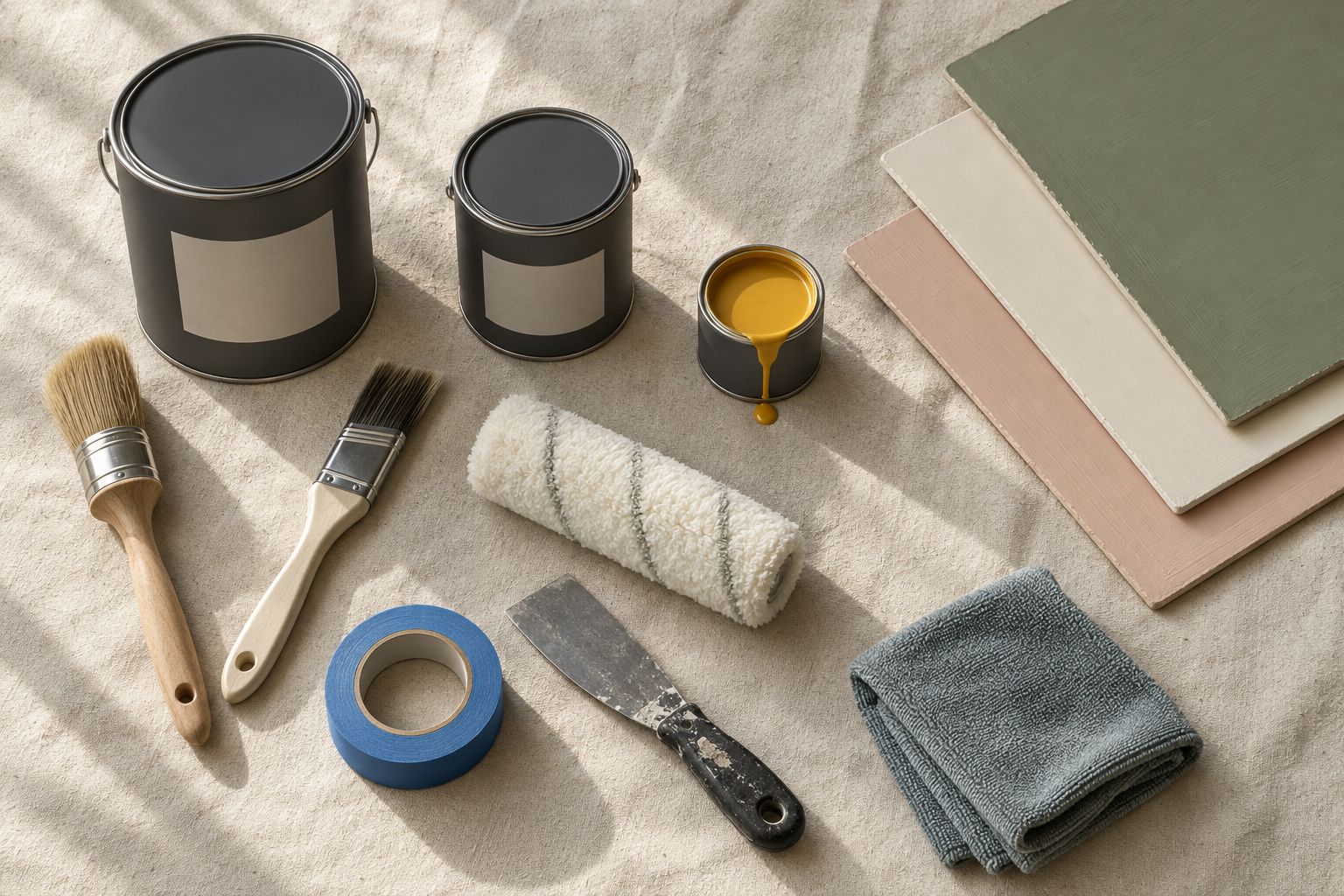
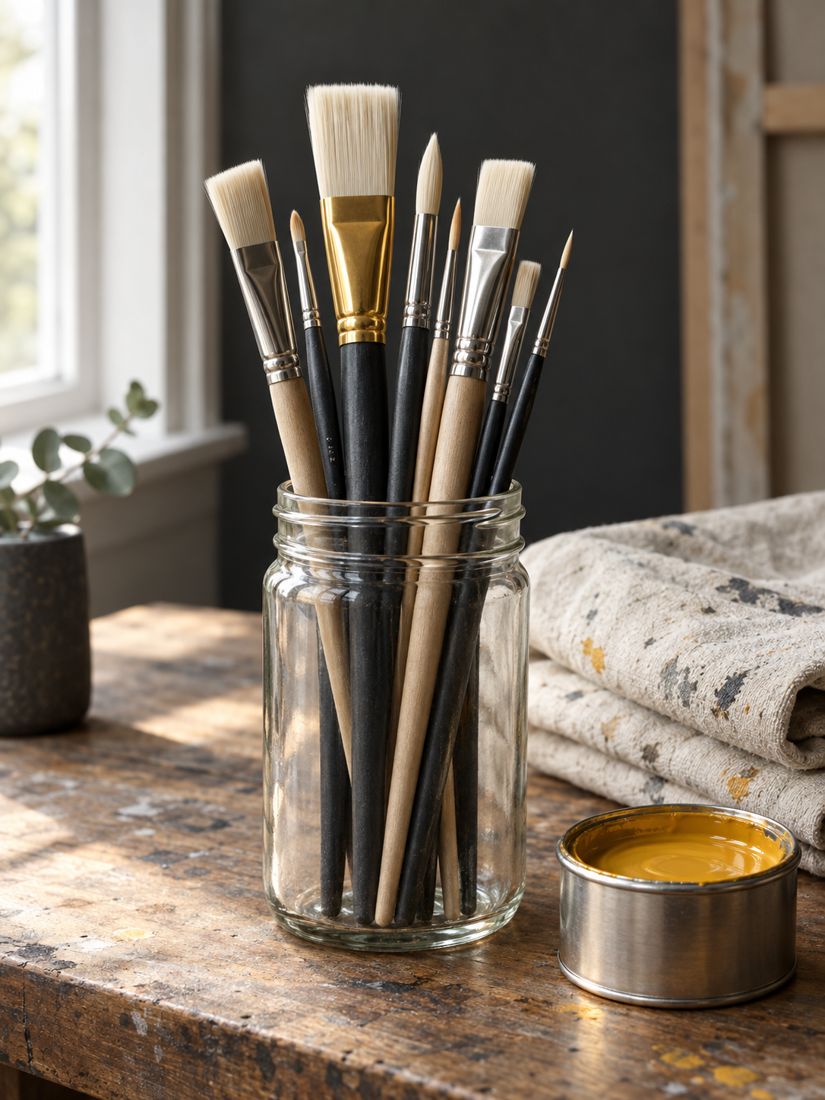
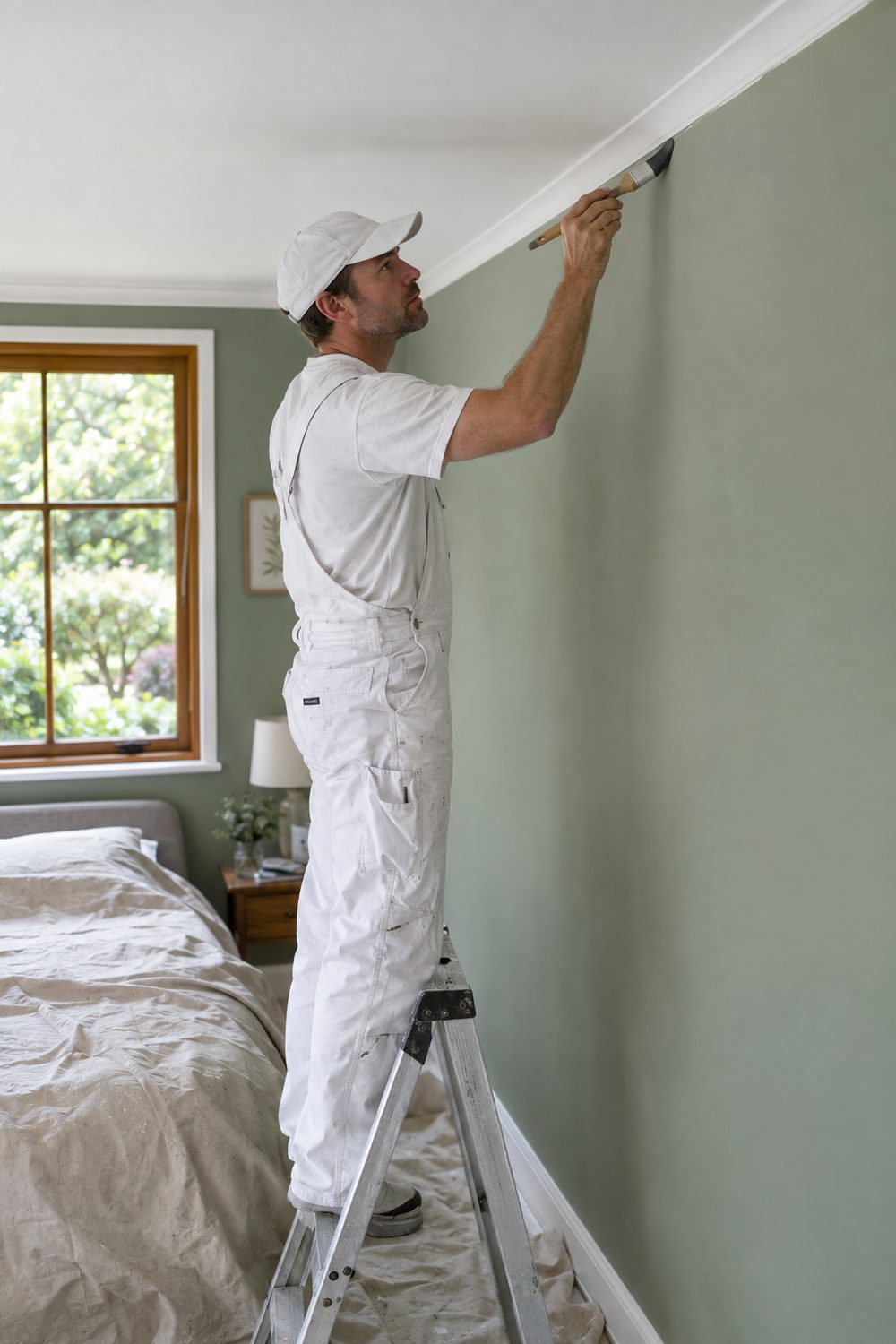
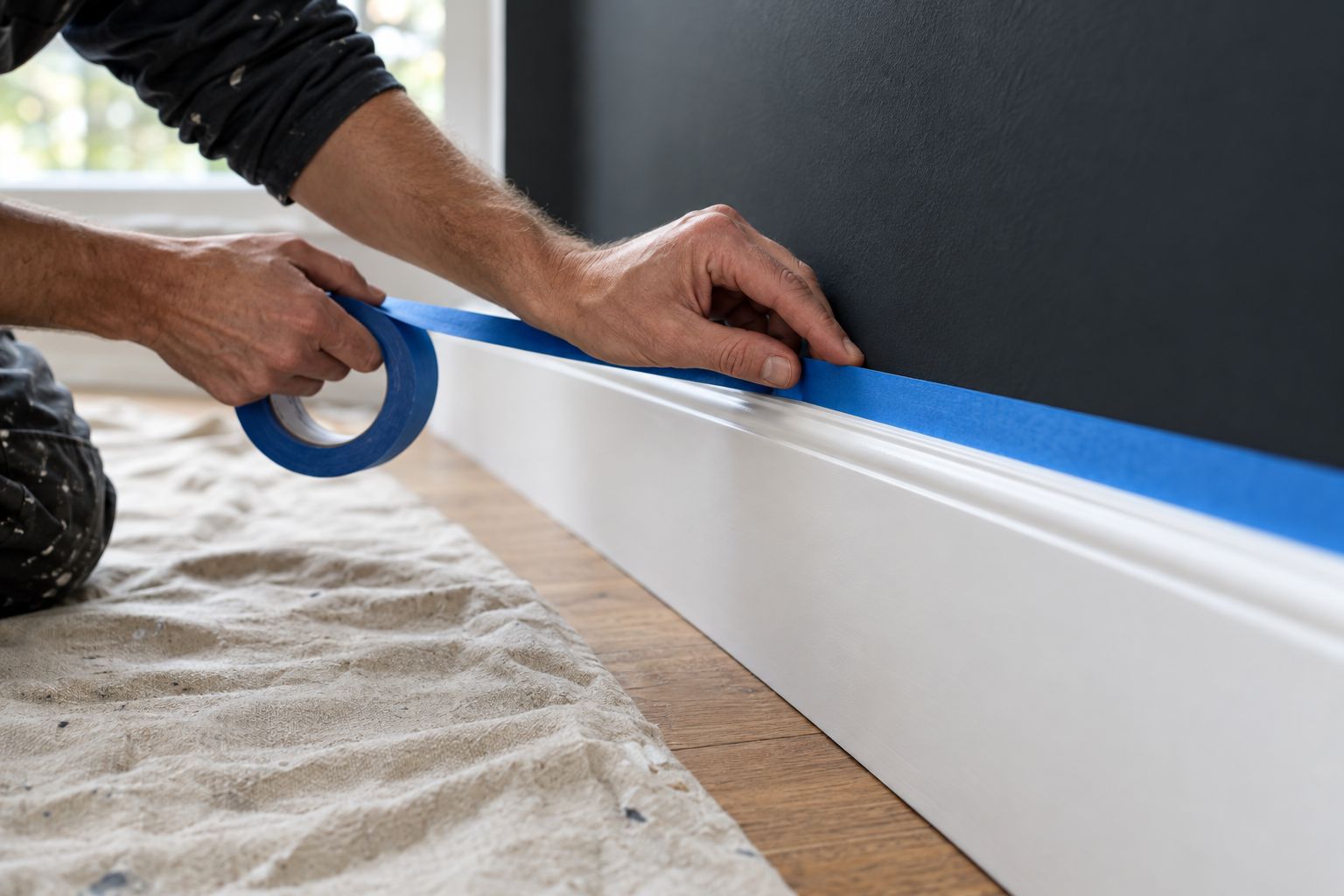
Sharp tape lines, clean brushes, the right product for the right surface. Small habits, repeated on every job, are what a premium finish is made of.
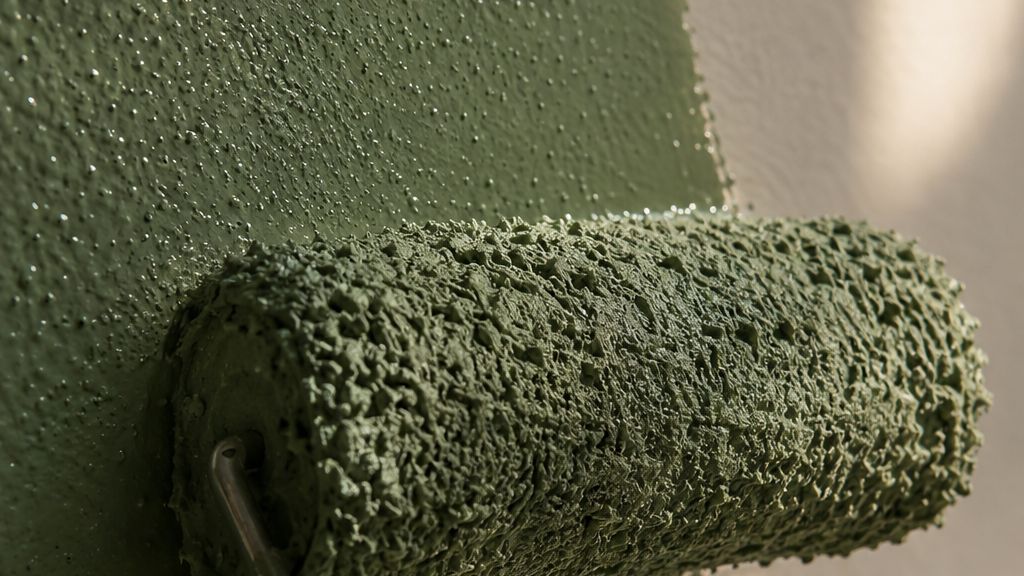
Spray painting delivers the 1 thing brush and roller cannot: a completely smooth, even film with no brush marks and no roller texture.
Spraying done properly is a masking discipline as much as an application method, and we treat it that way: everything not being painted gets covered before the gun is switched on. Award Painting holds Painting and Decorating Contractors Licence 222321C and carries $20M public liability insurance on every spray job.
Spraying wins in 2 situations: where the finish must be flawless, and where the area is large. Doors, door frames and kitchen cabinetry sit in the first camp. They are viewed from close range and handled every day, and a sprayed finish dries to the smooth, even surface they had from the factory, which brushwork does not reproduce.
Ceilings, long runs of fencing and large commercial walls sit in the second camp. Rolling a warehouse ceiling is slow and leaves lap marks under lighting; spraying coats the same area in a fraction of the time with a consistent film across every square metre, which is why large commercial repaints are sprayed as standard.
Atomised paint travels, and it settles on whatever is left exposed: floors, benchtops, windows, light fittings, cars, a neighbour’s fence. So the real work of a spray job happens before the gun is switched on. Floors are sheeted edge to edge, fittings and furniture are wrapped, glass and frames are papered, and every adjacent surface is taped to a hard masked line.
That protection discipline is how we prepare every job: cabinetry wrapped in plastic, benches covered, floors sheeted before a lid comes off. Spraying simply raises the stakes. On spray work, masking is not a courtesy, it is the method itself: the quality of the finish is decided as much by what was covered as by what was coated, and the time it takes is priced into the quote rather than skipped.
A sprayed surface carries no brush marks, no roller stipple and no lap lines, because nothing touches the wet paint. The gun lays colour on as a fine atomised mist, pass after pass, building a film of consistent thickness across the whole surface. Consistent film build is the technical heart of it: paint applied at an even thickness dries to an even sheen, and an even sheen is what the eye reads as flawless.
The advantage grows with gloss and with proximity. High-sheen finishes telegraph every flaw beneath and within them, and close-viewed surfaces get inspected hardest: a gloss door is seen from 30 cm, a ceiling under downlights shows every lap. Those are exactly the surfaces spraying serves best, which is why doors, cabinetry and ceilings head the list.
Spraying is the wrong tool in some conditions, and we say so at the quote rather than on the day. Wind is the clearest case: on an exposed exterior, moving air carries overspray well past the work area, and no amount of masking makes that responsible. When the weather is wrong, the spraying is rescheduled or the surface is done with brush and roller instead.
Occupied, detailed interiors are the other case. A furnished living room full of shelving, electronics and soft furnishings takes longer to mask safely than it takes to roll, so rolling is the better job, not the lesser one. Declining to spray in the wrong conditions is part of doing spray work properly: the method serves the finish, never the other way around.
The craft
Sharp tape lines, clean brushes, the right product for the right surface. Small habits, repeated on every job, are what a premium finish is made of.
Related services
Most jobs touch more than one trade. These pages cover the ones most often quoted together.
Offices, shopfronts, warehouses and common areas painted around your trading hours, with compliance paperwork sorted before we start.
Read moreWalls, ceilings, trims and doors painted with full room protection and proper surface prep. The finish is decided before the roller comes out.
Read moreGarage floors diamond-ground and coated in hard-wearing epoxy, in flake or solid colour finishes.
Read moreWhere we deliver this service
All 48 suburbs within 15 km of Hornsby are listed on our service areas page.
Questions
Anything else? Call us or send a message and we will give you a straight answer.
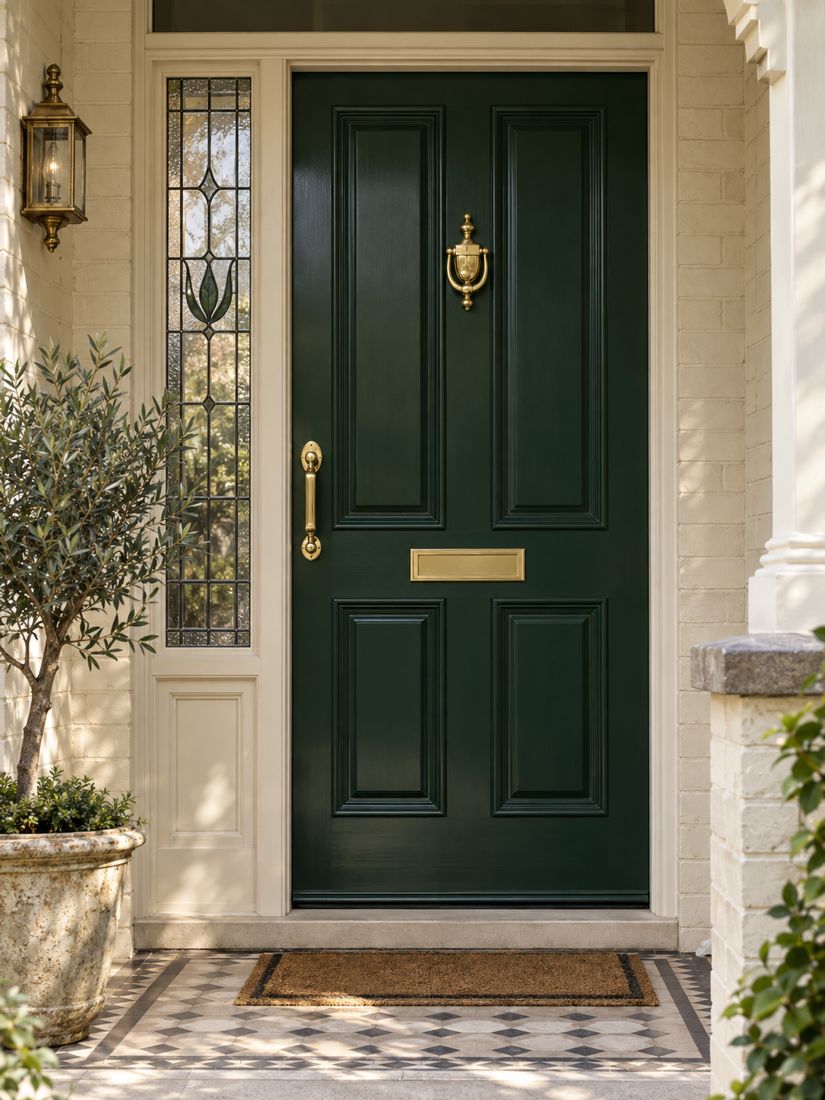
On smooth surfaces, yes. Spraying lays paint on as an atomised mist with nothing touching the wet film, so doors, cabinetry and trims dry to an even sheen with no brush marks or roller stipple. On rough or textured surfaces the advantage disappears, and on small detailed jobs the masking outweighs the gain, which is when we roll instead. The method is chosen per surface, not per fashion.
No. Everything not being painted is covered before the gun is switched on: floors sheeted, windows and frames papered, fittings wrapped and adjacent surfaces taped to a hard edge. Vehicles are moved out of range before exterior spraying starts. Overspray control is the core discipline of spray work, and the masking time is built into the quote, not skipped to save it.
Yes. Cabinetry is one of the strongest cases for spraying: doors and panels are viewed from 30 cm away and handled daily, so brush marks show and wear fast. A sprayed finish gives cabinetry the smooth, even surface it left the factory with. Surrounding benchtops, appliances and floors are fully masked before any spraying begins.
Fences and large exterior areas, yes, in the right conditions. Wind is the deciding factor: atomised paint travels, and on a windy day no masking justifies spraying an exposed exterior. When the forecast is wrong for it, we reschedule the spraying or complete the work with brush and roller instead. That judgement call is part of the service.
On large open areas, substantially: ceilings, fences and warehouse walls are coated in a fraction of rolling time, with a more consistent film. On small or furnished spaces the equation reverses, because masking everything in the room takes longer than rolling the walls. We quote whichever method produces the better finish for the surface, and we tell you which one that is and why.
Next step
Tell us about the job and we respond the same business day. Every quote starts with a walkthrough and includes a free colour consultation valued at $275. $0 call-out, no obligation.